Source Portable Soft Vaginal Enema for Home, Medical, and Travel Use
Explore 30 listings for the portable soft vaginal enema, featuring silicone and PVC options with various capacities. Compare models from Chinese manufacturers offering OEM services, multiple nozzle types, and CE/FDA certifications to find the right supply for your business needs.
Key considerations
Products List




Comprehensive Sourcing Guide
Portable Soft Vaginal Enema Sourcing Guide
Procuring portable soft vaginal enema devices requires a nuanced understanding of material safety, functional versatility, and regulatory compliance within the intimate wellness sector. Buyers must navigate a market where product attributes vary significantly between manual silicone bulbs and automated electric units. The core keyword highlights a specific form factor that prioritizes discretion and ease of use, often combining dual-purpose functionality for both anal and vaginal cleansing. Sourcing decisions should be driven by a clear distinction between simple manual tools and complex electronic systems, as each category demands different quality control protocols and supplier expertise.
The observed market signals indicate a wide range of product configurations, from basic 89ml silicone bulbs to advanced 380V electric enema machines. This diversity necessitates a rigorous verification process to ensure that the selected product aligns with the intended end-user application and regional safety standards. Buyers should focus on verifying the specific material composition, such as 100% silicone versus PVC, and confirm the presence of essential certifications like CE, ROHS, and FDA. Understanding these foundational differences is critical for mitigating risk and ensuring that the final product meets both performance expectations and legal requirements in target markets.
Product Scope and Observed Listing Signals
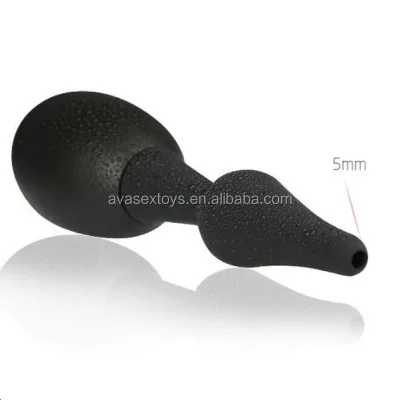
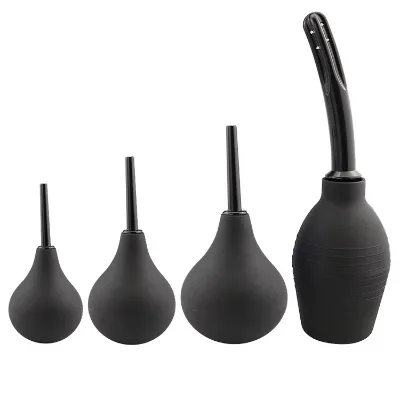
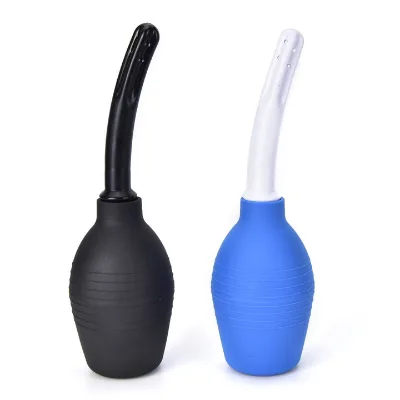
The current product landscape for portable soft vaginal enemas encompasses a broad spectrum of manual and automated devices, primarily originating from manufacturing hubs in Guangdong and Shanghai, China. Listings frequently highlight key attributes such as 100% silicone construction for manual bulbs, which are often marketed as reusable and featuring multiple nozzle options for customized user experience. These manual devices typically come in various capacities, including 89ml, 160ml, 220ml, and 310ml, catering to different user preferences and storage requirements. The emphasis on soft, flexible materials underscores the importance of comfort and safety in intimate hygiene applications, making material transparency a primary concern for discerning buyers.
In contrast, the scope also extends to more complex electric enema machines, which operate on higher voltages such as 380V and feature automatic grading for enhanced functionality. These automated systems represent a different tier of procurement, requiring attention to electrical safety and mechanical reliability alongside hygiene standards. Listings often indicate that these products are new and in stock, with options for customized logos and OEM/ODM services, suggesting a mature supply chain capable of supporting private label branding. Buyers must carefully distinguish between these manual and electric categories, as the technical specifications, compliance requirements, and target market segments differ substantially between simple silicone bulbs and sophisticated electronic devices.
Technical Specifications to Verify
When evaluating portable soft vaginal enema products, verifying the material composition is paramount to ensuring user safety and product durability. Buyers should confirm whether the device is constructed from 100% silicone, which is generally preferred for its hypoallergenic properties and ease of sterilization, or if it utilizes PVC, which may have different thermal and chemical resistance characteristics. Additionally, the capacity of the device, ranging from 89ml to 310ml, must be matched to the intended use case, as larger volumes may require different handling mechanisms or power sources. The inclusion of multiple nozzle types, such as five kinds of available nozzles, adds versatility but also introduces complexity in quality control, requiring verification that each nozzle is securely attached and made from compatible materials.
For electric enema machines, technical verification extends to electrical specifications and operational modes. Buyers must confirm the voltage requirements, such as 380V, and ensure that the power source is appropriate for the target market’s electrical infrastructure. The automatic grade of the machine should be assessed to understand its level of automation and user control, which impacts both the user experience and the maintenance requirements. Furthermore, the single package size and gross weight, such as 10x10x10 cm and 0.651 kg for certain models, are critical for logistics planning and shipping cost estimation. Ensuring that these technical details are accurately documented and consistent across all units is essential for maintaining product integrity and customer satisfaction.
Compliance and Safety Documentation
Navigating the regulatory landscape for intimate hygiene products requires meticulous attention to certification and safety documentation. Buyers must verify that suppliers provide valid certificates for CE, ROHS, FDA, and ISO CE, which are frequently cited in product listings. These certifications indicate compliance with specific regional standards for electrical safety, material restrictions, and quality management systems. It is crucial to request copies of these certificates and validate their authenticity with the issuing bodies, as the presence of a certification mark does not guarantee ongoing compliance or adherence to the latest regulatory updates. The distinction between different certification types, such as those for silicone materials versus electrical components, must be clearly understood to ensure comprehensive coverage.
In addition to standard certifications, buyers should inquire about sterilization methods and testing protocols, particularly for products claiming ethylene oxide sterilization. This process is critical for ensuring that the devices are free from harmful microbial contamination before reaching the end user. Documentation should also include details on any specific standards met, such as ISO 27001 for information security, although this is less directly related to product safety. Buyers must ensure that all safety claims are substantiated by third-party test reports, especially for electric devices that operate at higher voltages. Establishing a clear audit trail for compliance documentation is essential for mitigating legal risks and maintaining brand reputation in regulated markets.
Cost Drivers and Commercial Terms
The cost structure for portable soft vaginal enema products is influenced by several key factors, including material quality, manufacturing complexity, and order volume. Manual silicone bulbs with multiple nozzles and customizable features typically have lower production costs compared to electric enema machines, which involve more complex assembly and electrical components. Buyers should expect a wide range of prices, observed between $0.4 and $4000, reflecting the disparity between simple manual devices and advanced automated systems. Minimum Order Quantities (MOQs) also vary significantly, ranging from 1 piece for sample orders to 10,000 pieces for bulk production, impacting the initial investment and inventory management strategy.
Commercial terms such as lead times and customization options play a significant role in the overall procurement cost and timeline. Suppliers often offer lead times of 5-7 days for standard orders, but this can extend for customized products requiring logo printing or specific packaging solutions. Buyers should negotiate clear terms regarding payment schedules, shipping responsibilities, and return policies to avoid unexpected costs. The availability of OEM/ODM services allows for brand differentiation but may incur additional setup fees or higher per-unit costs. Understanding these commercial dynamics is essential for accurate budgeting and ensuring that the procurement process aligns with the company’s financial and operational goals.
Supplier Qualification and Quality Control
Selecting a reliable supplier for portable soft vaginal enema products requires a thorough evaluation of their manufacturing capabilities and quality control processes. Buyers should prioritize suppliers with established production facilities in regions known for high manufacturing standards, such as Guangdong and Shanghai, China. It is essential to verify the supplier’s ability to maintain consistent quality across large production runs, particularly for products with multiple components like nozzles and bulbs. Requesting samples and conducting independent testing can help assess the actual material quality, durability, and functionality of the devices before committing to a large order.
Quality control measures should include rigorous inspection protocols for both raw materials and finished products. Buyers should inquire about the supplier’s procedures for verifying material composition, such as confirming 100% silicone content, and ensuring that electrical components meet safety standards. The presence of customization options, such as logo printing and specialized packaging, adds another layer of complexity that requires careful oversight to prevent defects. Establishing a clear communication channel with the supplier for addressing quality issues and implementing corrective actions is crucial for maintaining product integrity. Regular audits and performance reviews can help ensure that the supplier continues to meet the required standards over time.
Long-Term Procurement Checks
Sustaining a successful procurement relationship for portable soft vaginal enema products involves ongoing monitoring and periodic reassessment of supplier performance. Buyers should establish key performance indicators (KPIs) related to product quality, delivery times, and customer feedback to track supplier reliability over time. Regularly reviewing certification status and compliance documentation is essential to ensure that the supplier remains up-to-date with changing regulatory requirements. This proactive approach helps mitigate the risk of non-compliance and ensures that the products continue to meet safety and quality standards in target markets.
Additionally, buyers should stay informed about market trends and technological advancements in the intimate wellness sector to anticipate future product needs. This includes monitoring developments in material science, such as new silicone formulations, and innovations in electric device design. Maintaining a diversified supplier base can reduce dependency on a single source and provide flexibility in responding to market changes. Regularly engaging with suppliers to discuss product improvements and customization options can foster a collaborative relationship that drives continuous improvement. By implementing these long-term checks, buyers can ensure a resilient and adaptive procurement strategy that supports business growth and customer satisfaction.
FAQs
What materials are used for portable soft vaginal enema bulbs?
The bulbs are manufactured from 100% silicone or PVC materials to ensure safety and flexibility. Silicone options provide a softer touch and are reusable, while PVC variants offer durability. Both materials are selected for their body-safe properties and ease of cleaning after each use.
Can I customize the logo on these enema bulbs?
Yes, logo printing is available for bulk orders. Buyers can request customized branding on the product surface. This service supports OEM and ODM requirements, allowing businesses to brand the items with their own logos for retail distribution or promotional purposes effectively.
What certifications do these enema bulbs hold?
The products hold CE, ROHS, FDA, and ISO certifications. These credentials verify compliance with international safety and quality standards. Buyers can rely on these documented certifications to ensure the products meet regulatory requirements for sale in various global markets and regions.
What is the minimum order quantity for these items?
The minimum order quantity ranges from 1 piece to 500 pieces depending on the supplier. Some vendors accept single-piece orders for sampling, while others require bulk purchases. Buyers should check specific supplier listings to confirm the exact MOQ applicable to their order size.
What capacities are available for the enema bulbs?
Available capacities include 89ml, 160ml, 220ml, and 310ml. These sizes cater to different user preferences and usage scenarios. Buyers can select the appropriate volume based on their target market needs, ensuring the product fits specific functional requirements for personal care routines.
How long is the lead time for production?
The standard lead time is typically 5 to 7 days. This duration covers production and preparation for shipment. Buyers should confirm exact timelines with suppliers, as rush orders or customizations may affect the final delivery schedule and overall procurement planning process.